
Thursday Sessions
Thursday, February 26, 2026 2E @ William & Mary Session Descriptions
Note: All times are EST
Welcome Session: 8:30 - 9:00 a.m.
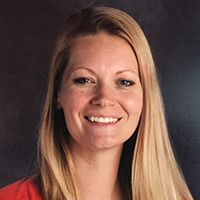
- Dr. Ashley Y. Carpenter
- Dr. Ashley Carpenter, the conference coordinator, welcomes you to the 2e @ William & Mary 2026 conference.
Featured Speaker Session: 9:00 - 10:00 a.m.
Navigating Challenging Behaviors: A Framework for Connection and Understanding

- Dayna Abraham
- In this powerful session, Dayna Abraham, NBCT, founder of Calm the Chaos®, offers a trauma-informed and neurodiversity-affirming framework for parents and educators who support bright children with big emotions. Drawing from personal experience and practical strategies, Dayna shares how to move beyond traditional discipline to build connection, foster safety, and understand the deeper causes behind behavior. Participants will learn actionable tools like Stop, Breathe, Anchor, Creating Moments of Safety, the Behavior Funnel, and the Think, Say, Do plan —empowering them to transform chaos into meaningful growth and collaboration at home and in the classroom.
Breakout Session 1: 10:15 - 11:15 a.m.
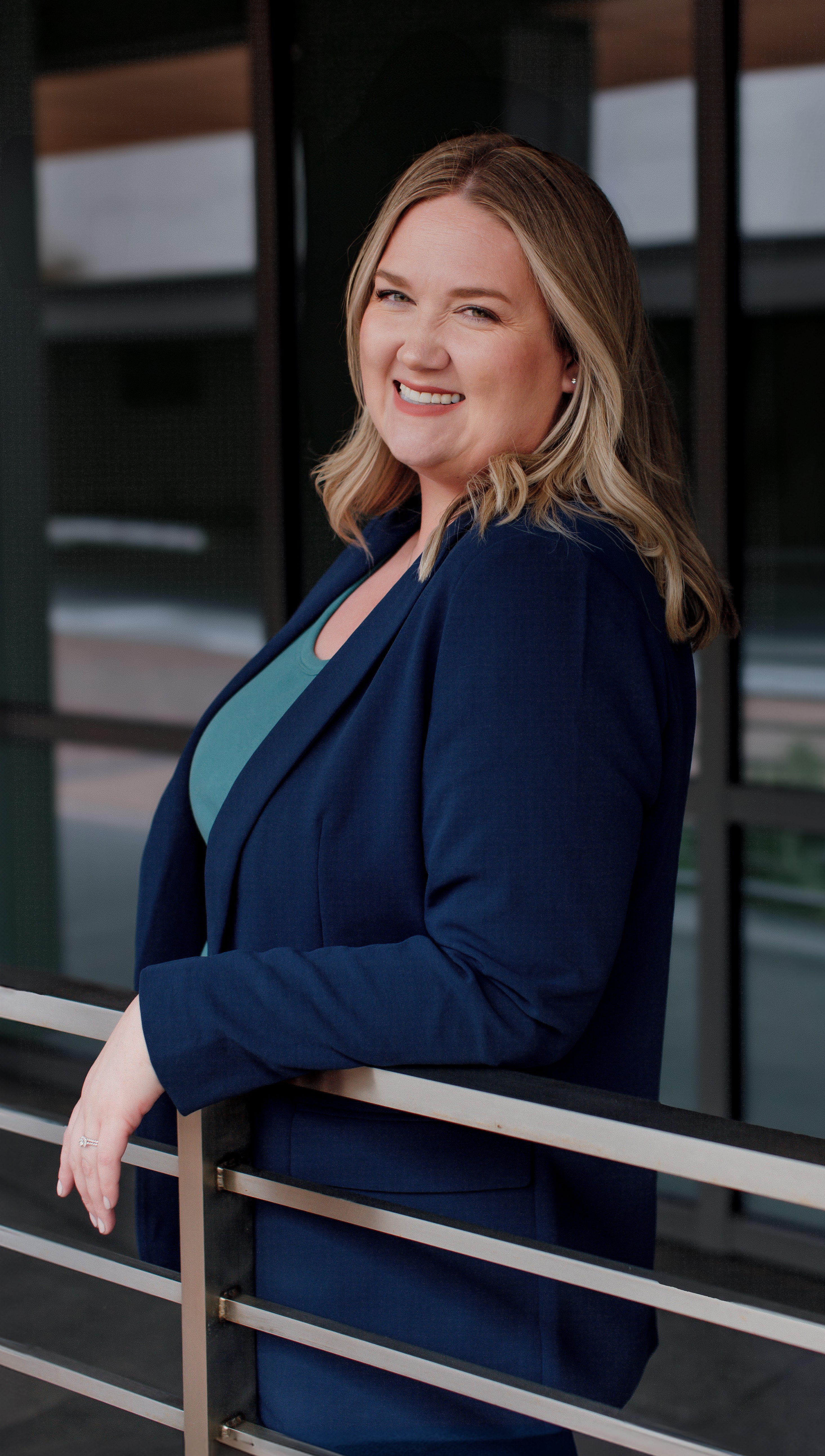 College and Career Planning for 2E Learners Using the CURIOUS Career Framework™
- Emmaly Perks, M.Ed.
- Twice-exceptional (2e) young people often grapple with college and career indecision, role misalignment, and early burnout. This session introduces The CURIOUS Career Framework™ (CCF), a free, research-supported tool that guides gifted and 2e learners through school and career planning as early as elementary school. The CCF helps 2e young people, their families, and their teachers instill healthy self-identities, identify their strengths and motivators, explore aligned career pathways, and design sustainable futures that honor their needs.
Decoding Behavior — A Hands-On Workshop with the Behavior Funnel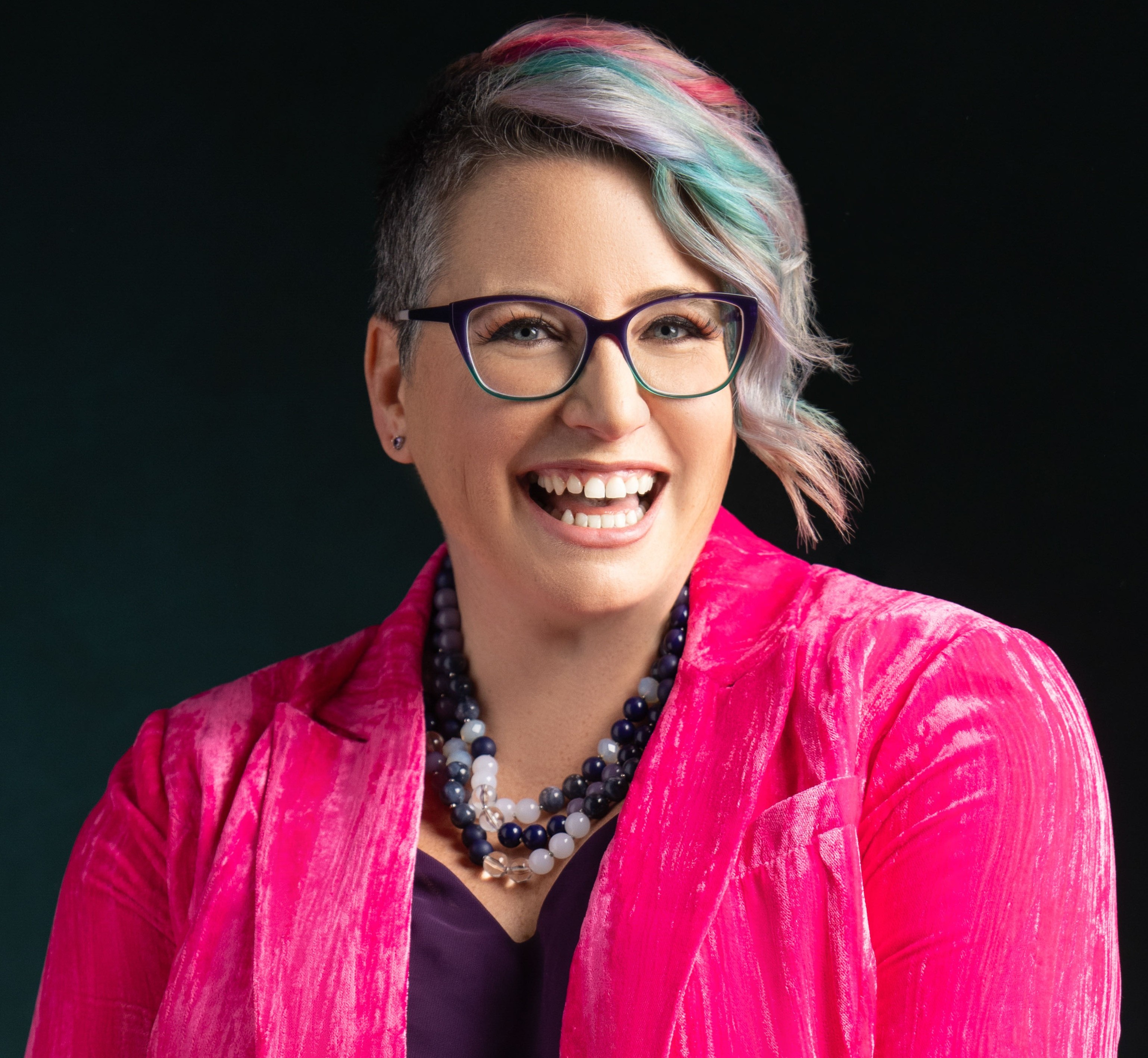
- Dayna Abraham
- This interactive session explores the UNDERSTAND pillar of the Calm the Chaos® framework through the Behavior Funnel, a tool for identifying the root causes of challenging behaviors. Participants will bring their own scenarios (or use provided examples) and work collaboratively to "funnel down" to the underlying needs—such as basic needs, felt safety, sensory input, skill gaps, avoidance, or desires. Role-playing and discussion will help attendees apply the process in real time.
 Teachers' Perceptions and Twice-Exceptional Students
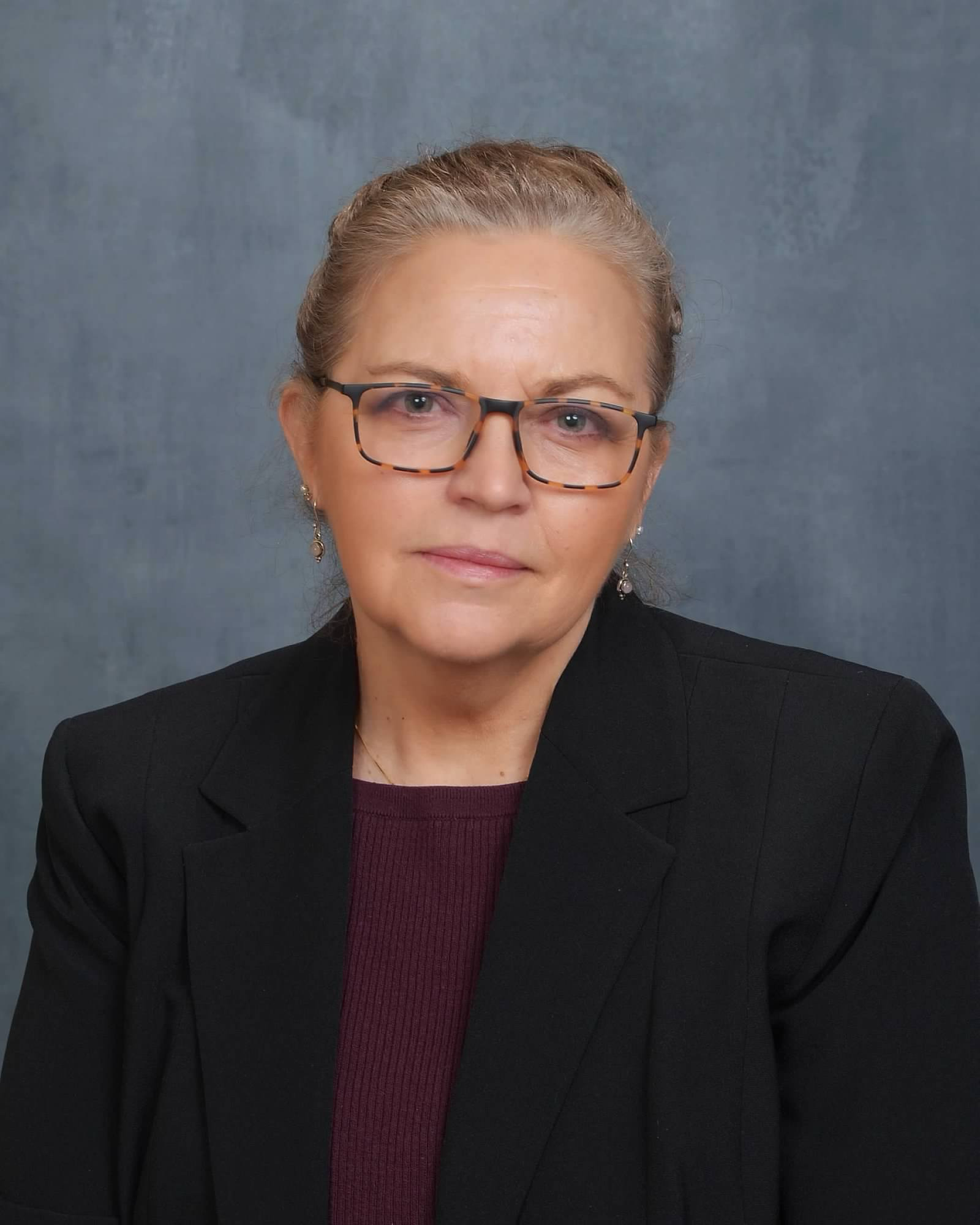
- Dr. Suzanne Sessere
- In this session, Suzanne presents research on teachers' perceptions of their twice-exceptional students. Teachers were surveyed about their knowledge and training regarding these students and their characteristics. Follow-up interviews provided deeper insight. The gathered information revealed that, although many educators were aware of students with dual needs, in practice, teachers still tended to judge these students negatively. Teachers discussed professional development as critically important and noted that time for collaboration was both lacking and essential.
Creating Standards That Support Meaningful Goal-Setting and Growth for Gifted Learners
- Dr. Tracy Bednarick-Humes
-
Effective gifted programming requires more than enrichment; it requires a coherent, vertically aligned framework that clarifies expectations, supports meaningful goal-setting, and allows educators to measure growth over time. This session explores a practical process for leveraging an existing gifted standards framework to create vertical alignment, develop proficiency scales, design assessment scoring guides, and calibrate expectations through collaborative professional learning communities (PLCs).
 Evidence-Based Approaches for Supporting Twice-Exceptional Learners
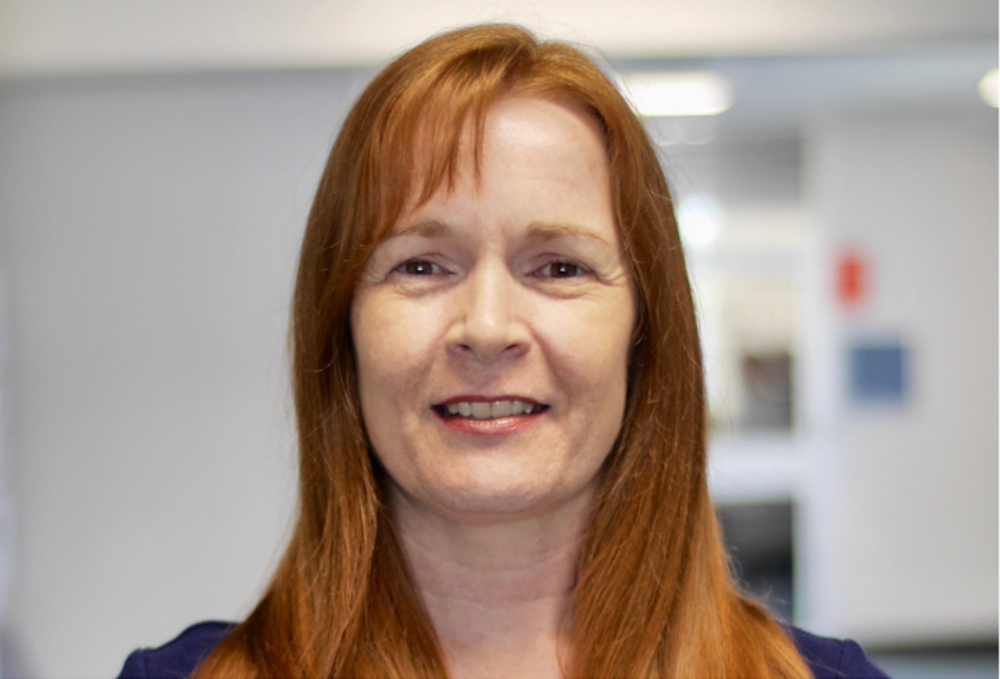
- Dr. Michelle Ronksley-Pavia
-
Participants will explore practical, evidence-based strategies for creating learning environments where twice-exceptional students can thrive through concrete approaches for simultaneously nurturing advanced abilities while providing appropriate support for disability 'challenges'. The session aims to address classroom issues, including implementing strengths-based approaches that honour multiple exceptionalities, developing accommodations that aim to address not limit, the apparent paradox of high ability/potential and disability/ies, with the ultimate aim of creating psychologically safe learning environments. Participants will learn about practical approaches and implementation strategies for supporting twice-exceptional students' unique educational requirements across the four-point explanatory model.
When Assessments Overlook Giftedness: 2e Learners Hiding in Plain Sight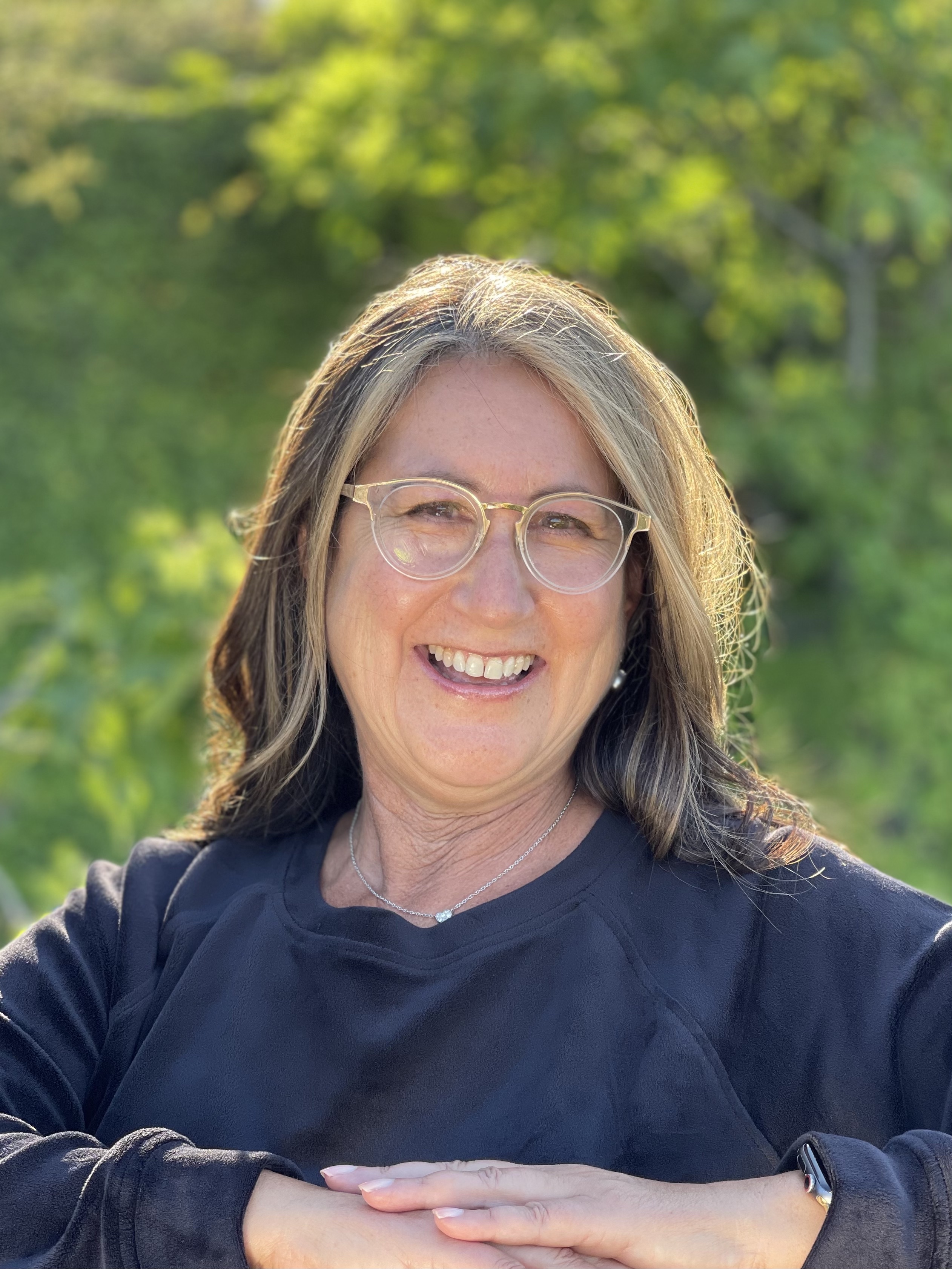
- Marcy Dann, Ed.D.
- Discover how to look beyond traditional assessment results and recommendations to better serve twice-exceptional (2e) students. Uncover hidden giftedness in asynchronous scores and learn insights to ensure the complex needs of 2e students don't go unmet. Through powerful case studies from Dr. Dann's research, we'll spot hidden giftedness, understand the stakes of overlooking it, and walk away with ideas to incorporate talent development in plans that support their growth.
 How Can I Know What I Missed if I Missed It? Transforming Executive Function Frustrations into Realistic Solutions
- Dr. Cynthia Z. Hansen, BCET®
- This interactive session explores divergent thinking styles that impact the executive skills of gifted learners. Behaviors such as masking, silliness, inflexibility, or "laziness" may indicate a child's distress. Participants will be guided to become more aware of why these behaviors may indicate a variety of obstacles to learning by experiencing conditions that trigger student distress and exploring potential solutions. Learn to build executive skills in learners using collaborative strength-based strategies and situational awareness.
The Reading Rope Reimagined: Using the Science of Reading to Support Twice-Exceptional Readers
- Sheyanne S. Smith
- Scarborough's Rope is central to the Science of Reading, yet its use with gifted and twice-exceptional learners is rarely considered. This session reimagines the rope as a framework for advancing literacy by highlighting how strengths can inform instruction and reduce barriers. Educators will learn to recognize and address instructional mismatches, identify patterns in 2E reading development, and design meaningful literacy experiences that both nurture talent and support areas of need.
 The L.O.B.E. Model for Dealing with Disability
- Michael Wang
- If you have ever worked with someone who was recently diagnosed with a disability, then you understand that balancing applying effort to try and overcome struggles and recognizing when it is time to "give up" on doing it "the right way" can be incredibly difficult. This session will present a model that will assist in knowing when it's time to move on when working with a specific aspect of a disability without causing any judgement or anxiety.
Lunch: 12:30 - 1:15 p.m.
Breakout Session 3: 1:15 - 2:15 p.m.
 MTSS, IEPs, & AI - Oh My!: Problem-solving and Possibility Finding Using the 5F Model
- Claire Hughes, Ph.D., and Sheyanne S. Smith
- Discover how emerging technologies can enhance equitable, student-centered practices for twice-exceptional learners. Using the 5F model, explore how educators can use AI-powered prompts to create strengths-based IEPs and leverage the MTSS process to support twice-exceptional (2E) learners. Participants will learn practical strategies for problem-solving within MTSS, develop student strengths in IEPs, and explore how AI can assist in crafting personalized, strength-focused plans that balance academic challenges with talent development.
"Quirky" Attributes and Language Triggers: Activities to Explore the Impact of Language on the Affective Development and Misperceptions of Gifted and Twice Exceptional Learners
- Dr. Cynthia Z. Hansen, BCET®
- The word "quirky" can be a mocking or derisive meme, while some individuals embrace it as part of their boldly unique personality. Words matter! Language can influence an atmosphere of otherness and a hierarchy of abilities, or it can empower one to embrace their mosaic of attributes. This activities-driven session guides participants to nurture inclusivity and respect by exploring the idiosyncrasies of 2e individuals, reframing attributes as community assets, and validating individual contributions.
Supporting Twice-Exceptional Learners through Targeted Social-Emotional Learning: A Practical Framework and Lesson Repository for Gifted Classrooms
- Dr. Tracy Bednarick-Humes
-
Gifted and twice-exceptional learners often experience heightened intensity, uneven skill development, and challenges with self-regulation, peer relationships, and identity—needs that require SEL supports designed specifically for gifted contexts. In this interactive session, Dr. Tracy Bednarick-Humes will share a practical SEL framework developed to support gifted and 2E learners, organized around five strands: Self-Awareness, Mindsets, Social Capacity, Life Skills, and Emotional Well-Being.
Bridging The Expression Gap
- Michael Wang
-
Emotional expression can look different for every person, and for many neurodiverse individuals, the challenge is not a lack of emotion, but a gap between what they feel and how they're able to express it in a way others immediately understand. This can lead to frustration, misinterpretation, and missed opportunities for connection. This session will explore some practical strategies that help articulate emotions in ways that promote understanding and help individuals feel confident and empowered to share their internal experiences with others.
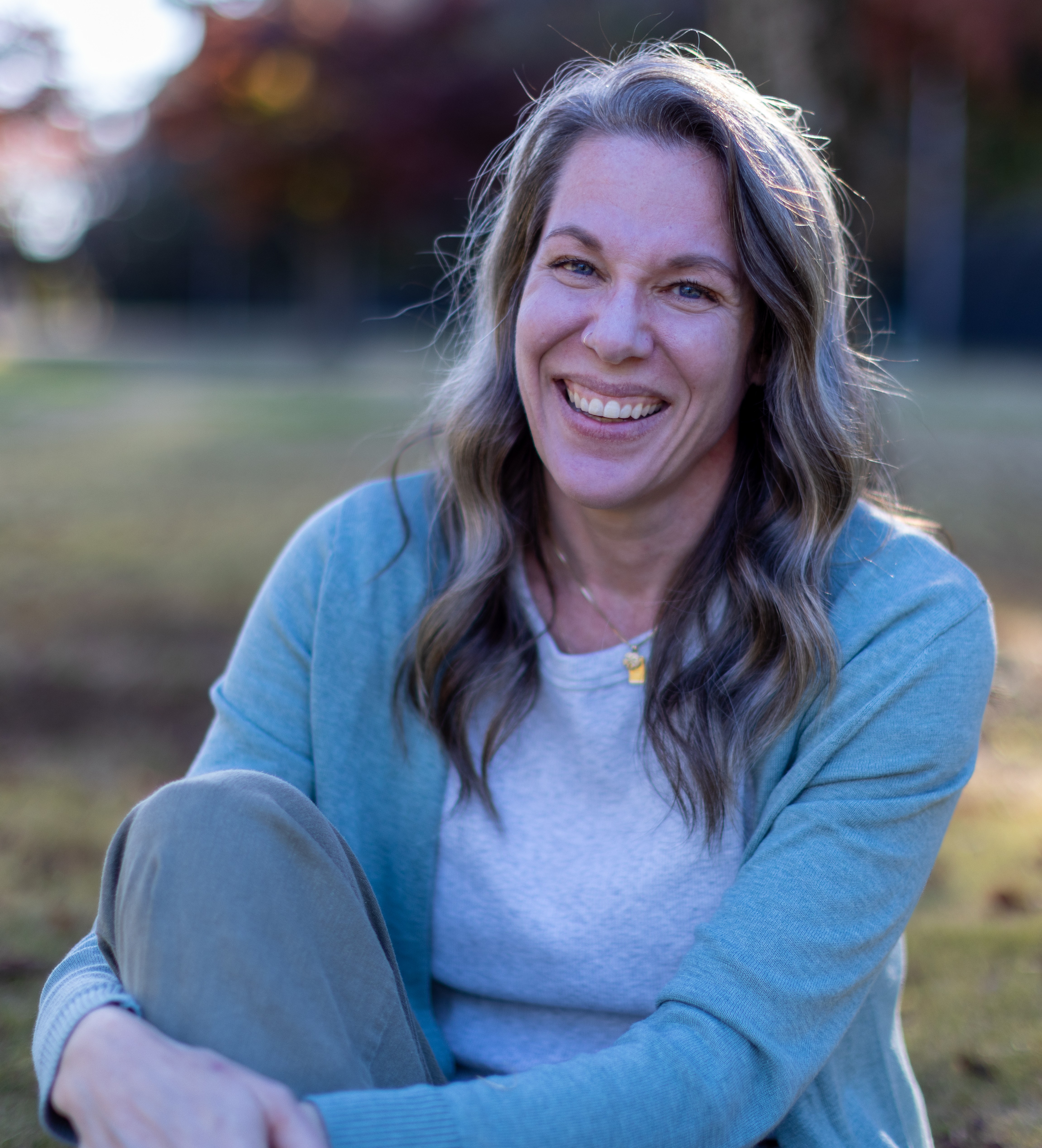 Helping Our Twice-Exceptional Kids Bloom Wherever They're Planted
- Dr. Katy Davis, EdD, SLP-CCC
- Raising a twice-exceptional (2e) child is a journey of both wonder and complexity, especially when your family moves often or experiences frequent transitions. Each move brings disruption as well as opportunity, challenging parents to rebuild systems of support while helping their children find their footing again. This session offers practical, compassionate strategies for creating stability at home, engaging children's strengths, and fostering family co-regulation through change.
Breakout Session 4: 2:30 - 3:30 p.m.
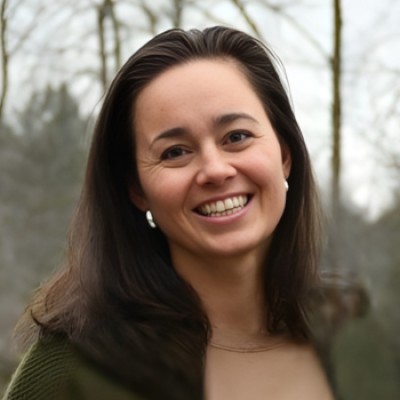 The Pedagogy of Empowerment: Using the Three Choices to Create Adaptive, Responsive Learning for Neurodiverse and Twice-Exceptional Students
- Melissa Muir, MAT
- Choice is foundational to differentiated instruction and essential for supporting neurodiverse and twice-exceptional (2e) learners. In this session, participants will explore the "Three Choices" framework—Choice of Topic, Choice of Learning Method, and Choice of Output—and learn practical strategies for implementing strength-based, talent-focused pathways in any setting. Blending research with real-world application from classrooms and homeschooling, this session equips educators to design flexible, empowering learning experiences.
Finding Executive Function Strengths and Weaknesses in 2E Kids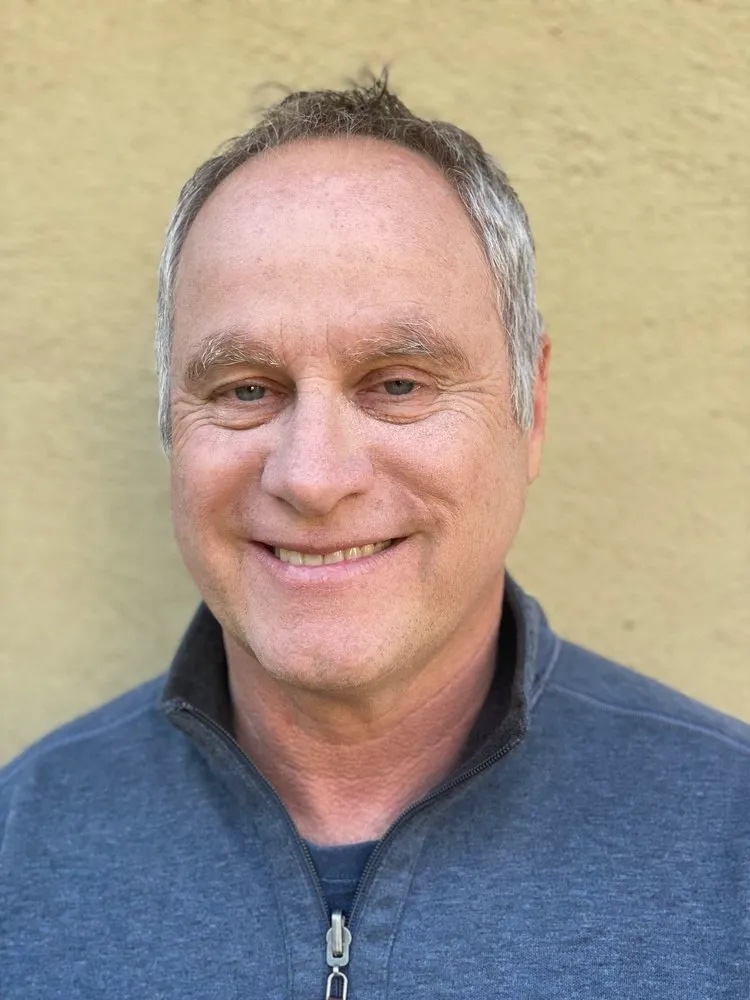
- Jon Zeitlin, PAAC-CACP, M.A., MBA
- This presentation will provide theory and practical tools for assessing 2E students' executive function strengths and weaknesses, a topic that is particularly well suited to 2E kids. Attendees will learn to take that knowledge to help build workarounds for student weaknesses and teach students to play to their strengths. The speaker analyzes student work examples across multiple ages to see how executive function drives academic performance. Then attendees do hands-on work to practice these new skills.
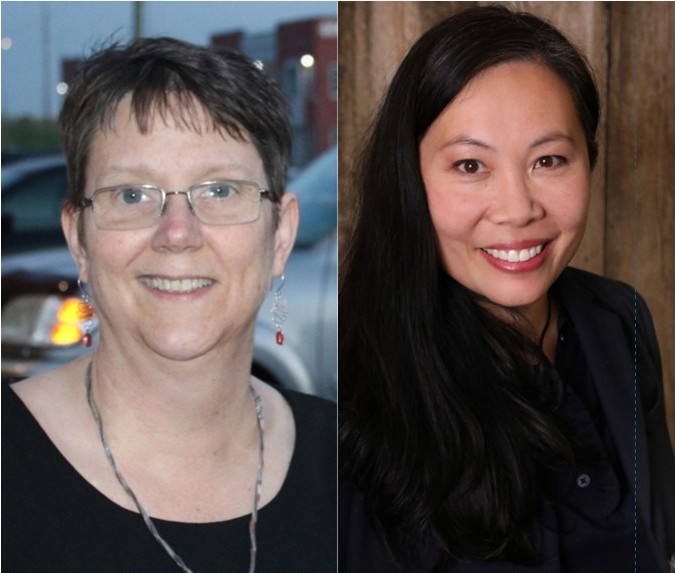 Beyond the Textbook: Using Project Based Learning with Gifted and 2e Middle Schoolers
- Ley-Anne Folks M.Ed., and Heather Lai
-
In the middle school years, gifted and 2e learners often hit a "plateau of boredom" where the typical curriculum lacks the depth and complexity their cognitive profiles require. This presentation explores how Project Based Learning serves as a catalyst for engagement by shifting students from passive consumers of information to active solvers of "messy," real-world problems. We will examine innovative frameworks that integrate design thinking and community-based inquiry to challenge the gifted mind.
Empathy-Based Teaching for 2e Learners: Building Trust and Supporting Growth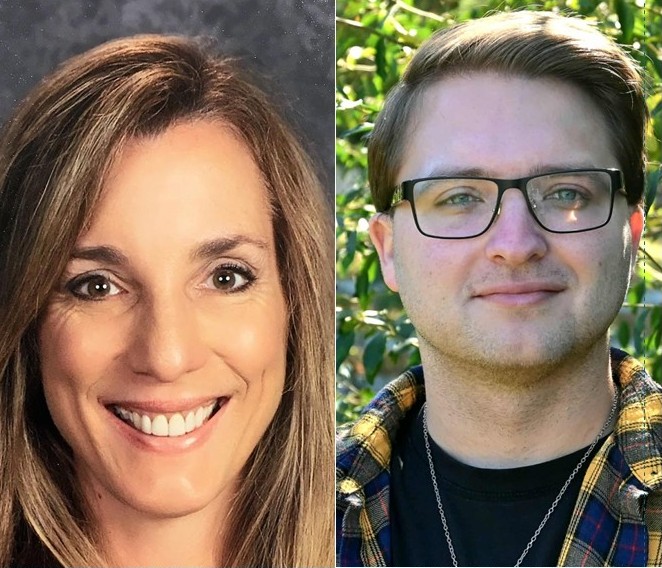
- Lynne Henwood, M.Ed., and Chase Parker-Morgan, M.Ed.
- This workshop introduces an empathy-based approach to teaching twice-exceptional students. Participants will learn how to build trusting relationships, preserve student dignity, interpret behavior through a strengths-first lens, and create supportive learning environments that meet students where they are while still encouraging growth, resilience, and meaningful challenge.
Featured Speaker Session: 3:45 - 4:45 p.m.
How Generative AI Can Be Leveraged to Personalize Learning for Twice-/Multi-Exceptional Students
- Dr. Michelle Ronksley-Pavia
-
Drawing from experimental research and ongoing studies exploring gifted students' creative uses of AI, this session aims to explore how GenAI supports what we call "pedagogical rehearsal": supporting educators to develop and refine pedagogical approaches in low-stakes GenAI environments before classroom implementation. Participants will discover how GenAI can support differentiation, provide tailored accommodations for neurodivergent learners, and connect students' interests with talent development approaches. The session aims to address the transformative potential and current limitations of GenAI for multi-exceptional learners in educational contexts. Participants will gain an understanding of approaches for moving beyond generic AI applications toward personalized learning experiences that respect the complexity of twice-exceptional and multi-exceptional learners' educational requirements.