
Friday Sessions
Friday, February 27, 2026 2E @ William & Mary Session Descriptions
Note: All times are EST
 Welcome Session: 8:30 - 9:00 a.m.
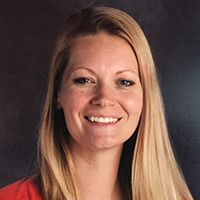
- Dr. Ashley Y. Carpenter
Dr. Ashley Carpenter, the conference coordinator, welcomes you to Day 2 of the 2e @ William & Mary 2026 conference.
Featured Speaker Session: 9:00 - 10:00 a.m.
Trellis & Blossom: Getting Twice-Exceptional Learners on the Right Track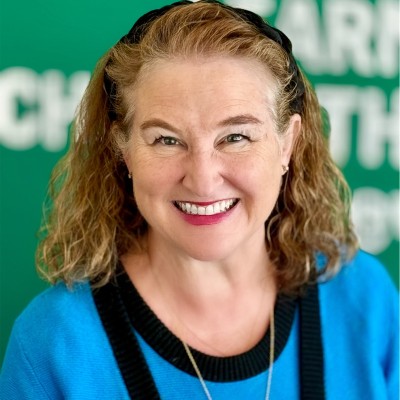
- Claire Hughes, Ph.D.
- Twice-exceptional learners often struggle to leave the station—barriers in systems, expectations, and support structures can keep them stuck at the starting line. Yet once 2e students gain the right combination of academic challenge, learning support practices, and social-emotional nurturance, they move quickly and powerfully down the tracks. Using the Trellis & Blossom Model, this session helps educators and parents identify obstacles, build momentum, and create aligned supports that help 2e learners launch confidently, maintain steady progress, and experience joyful, self-directed growth. Come be the one who helps twice-exceptional learners get moving.
Breakout Session 1: 10:15 - 11:15 a.m.
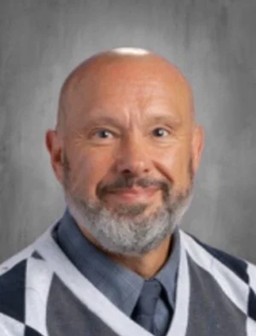 Shark FINS Rising: Creating a Relentlessly Positive, Inclusive School Culture!
- Dr. David W. Parrish
- Creating opportunities for meaningful interactions, relationships, and friendships are an overlooked but integral part of creating an inclusive school culture. These opportunities cannot be left to good intentions; they are dependent on explicit, consistent actions based on a long-term, philosophical foundation meant to ensure that every student possible can be included as a significant part of the school community. Colgan's FIN Friends has transcended its role as a club to become a local movement for inclusion, kindness, and belonging.
Building the Architecture of Friendship: Teaching Social Calculus and Emotional Budgeting to 2e/ASD Students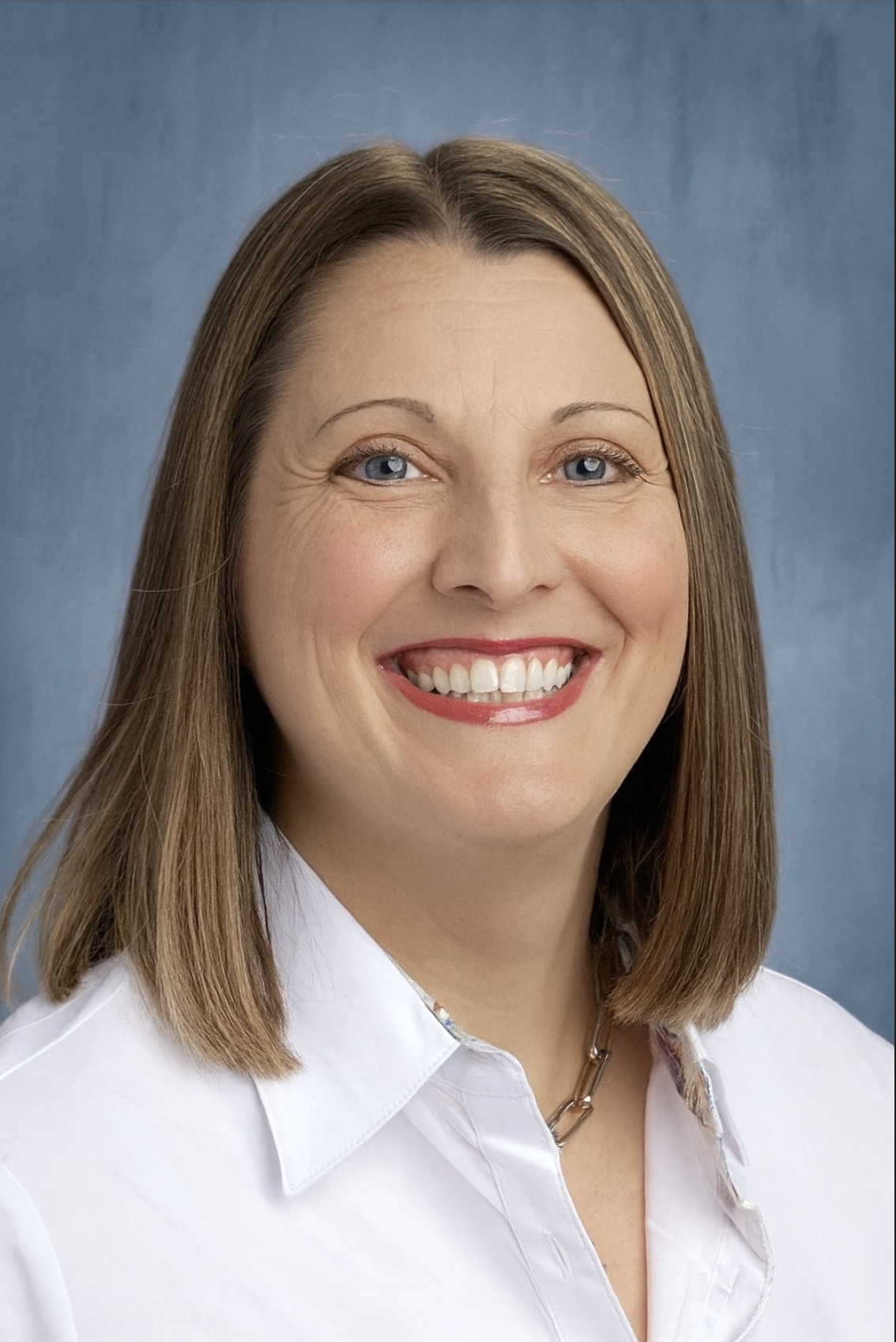
- Autumn B. Matthews, Ph.D., J.D., B.C.S.E.
- This presentation translates research on 2e/ASD adults into practical, developmentally responsive frameworks for supporting 2e/ASD students in forming and managing friendships. Drawing from hermeneutic phenomenological findings, the session introduces social calculus and emotional budgeting as teachable frameworks that help 2e/ASD students assess relational risk, reciprocity, predictability, and emotional energy. Participants will explore how giftedness and autism shape friendship expectations across developmental stages and learn concrete strategies for explicit instruction, guided reflection, and scaffolding of friendship skills in school and therapeutic settings. Attendees will leave with language, examples, and instructional approaches that empower 2e/ASD students to build sustainable, authentic friendships—without masking, overextension, or burnout.
 Never 2 Late: Pathways to Professional Practice from a 2E Animator
- Audra Coulson, BFA
- This presentation studies pathways into animation from the perspective of a twice-exceptional artist undiagnosed with ADHD until college. I explore how ADHD affected my ability to be successful in transitions within academic and professional environments, and the pathways I discovered which helped me become a professional animator. I will also review 2E-supportive industry spaces that build inclusive workflows and communities which respect differences and allow neurodivergent creatives to thrive.
One Student, Two Systems: Navigating Gifted and Special Ed Policy for 2E Learners
- Sheyanne S. Smith
- Twice-exceptional learners live at the intersection of two policy worlds—special education, with federal mandates, and gifted education, which varies by state with no federal requirement. This session explores how State Education Agencies shape gifted and 2E programming through guidance, support, and monitoring, and how educators and advocates can navigate these contrasting systems to strengthen equity and services for advanced learners with disabilities.
Starting with Spark: Inverting Bloom's Taxonomy to Maximize AI and Twice-Exceptional Education
- Claire Hughes, Ph.D.
-
Traditional Bloom's Taxonomy assumes learners should begin with remembering and understanding before moving toward creation. Twice-exceptional learners, however, often flourish when they start with open-ended, idea-rich challenges that tap their advanced thinking while bypassing barriers tied to initiation, working memory, or slow processing. Beginning with creativity aligns with 2e cognitive strengths and positions AI as a tool for inquiry, ideation, and innovation—and a means for overcoming barriers of disability.
Breakout Session 2: 11:30 a.m. - 12:30 p.m.
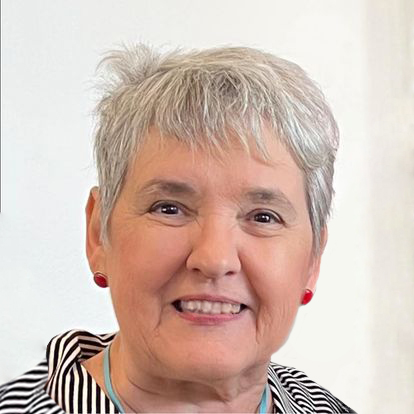 Unlocking Potential: Arts, Emotion, and Innovation in Twice-Exceptional Education
- Dr. Debbie Troxclair
- Creativity unlocks twice-exceptional learners' potential. This session demonstrates how creativity unlocks the potential of twice-exceptional (2e) learners by integrating cognitive, emotional, and social growth. Participants will explore practical strategies—brainstorming, divergent thinking, and arts integration—that foster resilience, empathy, and innovation. Insights from neuroscience highlight how imagination and attention networks support learning, while the arts provide powerful outlets for self-expression and collaboration.
The Four Pillars: A Twice-Exceptional Curriculum Framework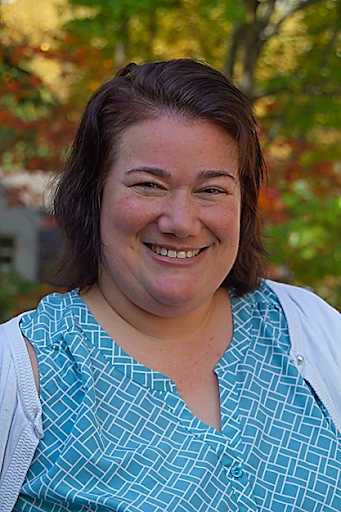
- Sarah Finch Jackson
- Beyond "study hall," twice-exceptional students need direct instruction to manage their academic and educational selves. This session explores a new curriculum framework developed by experienced 2e teachers to provide targeted instruction in a dedicated secondary classroom. The Four Pillars Framework integrates direct instruction, project-based learning, evidence-based practices, and strategies refined by veteran 2e educators with over 100 years of combined experience teaching 2e students in public schools.
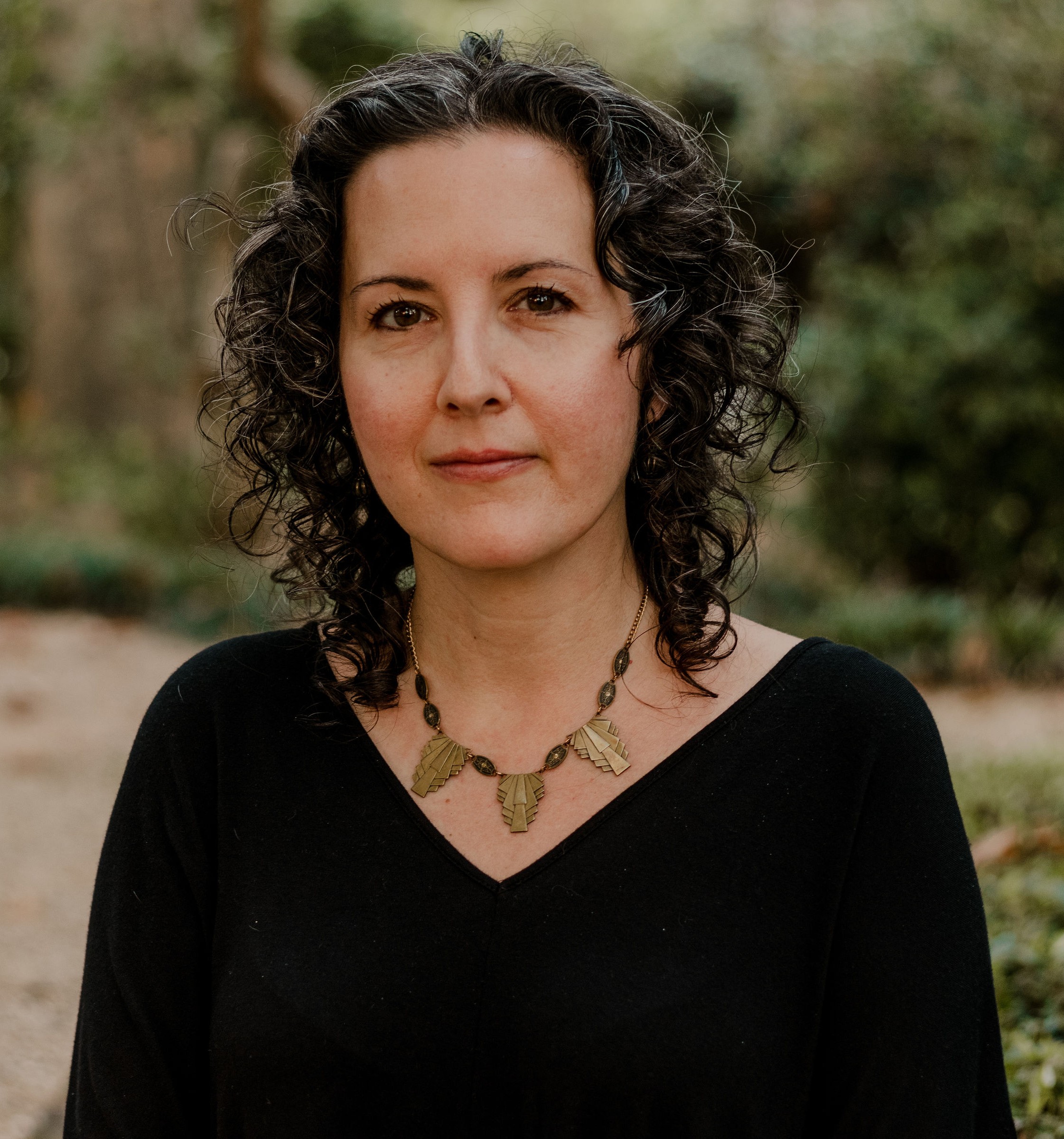 Reframing Dyscalculia: A Strengths-Based Approach
- Ashleigh D'Aunoy, Ed.D.
- Research on twice-exceptional learners highlights the value of strength-based approaches, yet dyscalculia remains significantly underexamined. Drawing on Strengths of Dyscalculia (D’Aunoy, 2025), this session explores how gifted adults with dyscalculia leverage cognitive, creative, and socioemotional strengths to succeed despite learning challenges, offering practical, strengths-forward strategies for parents and teachers to support intellectual, emotional, and long-term success for gifted children with dyscalculia.
Will the Use of AI Help or Hurt Student Creativity?
- Wainwright Yu
- There's been an increasing number of research papers demonstrating strong performance of AI when compared against human counterparts in creative tasks. While seeing AI beat humans in creative tasks makes for interesting newspaper headlines, the question we care more about is whether AI helps humans become more creative themselves. In that regard, the results are less positive. In this presentation, you will learn about the latest research on AI and creativity and how to manage AI use in the classroom to maximize its benefits.
 Give 2e Learners a Chance to Thrive: Environments to Support Growth
- Maria Selke, M.A.Ed.
- How can you create a supportive environment for a learner who is creative, intelligent, and still struggling? How can you help them thrive? We'll discuss five environments – physical, intellectual, social, emotional, and creative – that impact each learner's daily life. Then, together, we'll brainstorm ways we can adapt each one based on their unique set of strengths and passions to create a niche where 2e students can bloom.
Lunch: 12:30 - 1:15 p.m.
Featured Speaker Session: 1:15 - 2:15 p.m.
Game On: Strategy Tips for Parenting and Teaching Twice-Exceptional Kids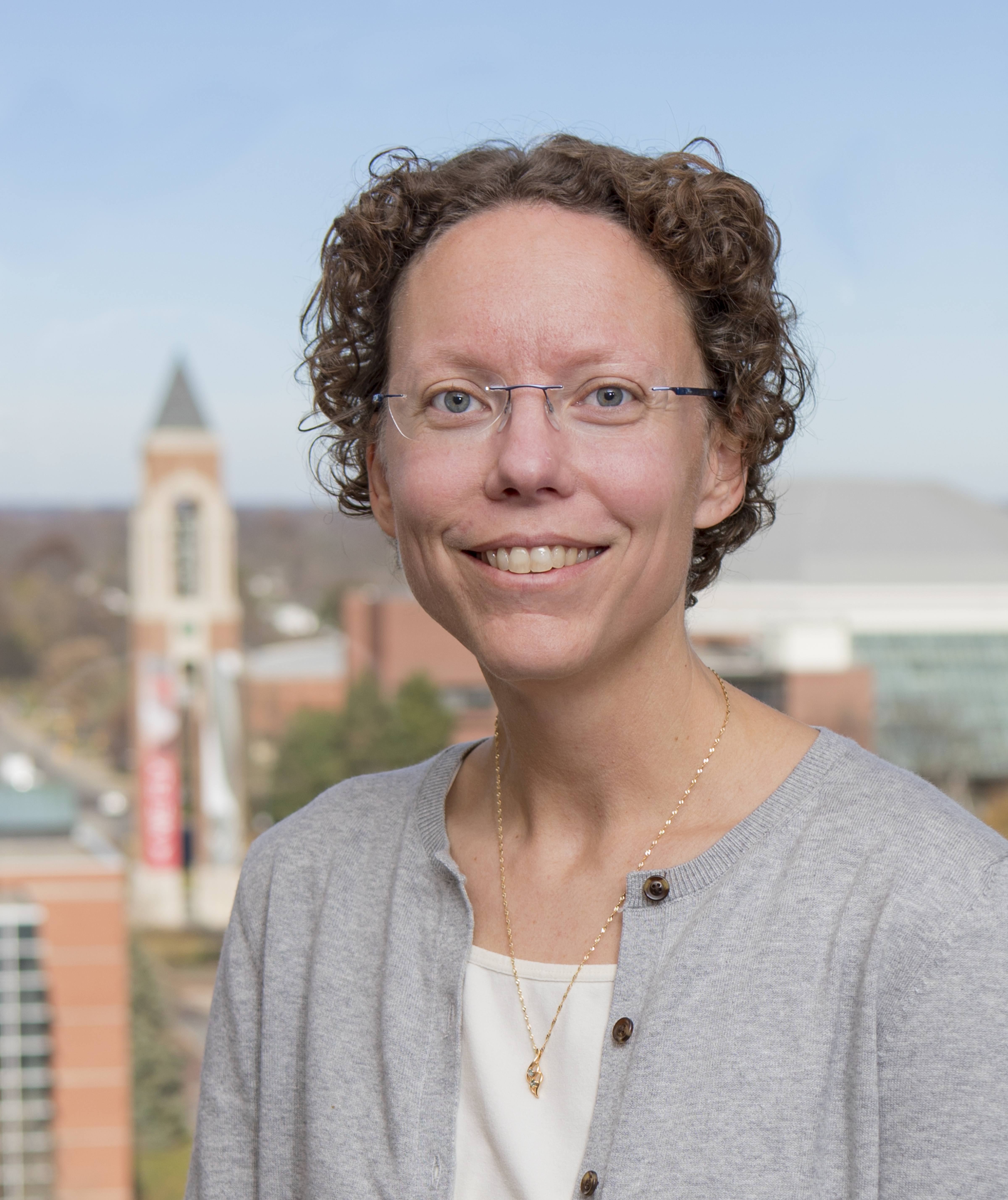
- Dr. Kristie Speirs Neumeister
- Parenting and teaching twice-exceptional children can feel like a strategic, continually evolving game where every move counts. Just when you think you've mastered it, you "level up" to a new stage or experience that requires a fresh skill set. In this session, we'll uncover key strategic moves to help parents and teachers navigate the complex journey of nurturing talent development in twice-exceptional learners, all with the ultimate goal of helping them become confident, well-adjusted players ready to take on their own game.
Breakout Session 3: 2:30 - 3:30 p.m.
 2e Advocacy as Self-Care: Pursuing Advocacy that Creates instead of Corrects
- Megan Cannella
- Gifted/2e advocacy can easily end up framed as ways to solve a problem. Your child isn't a problem though. By shifting from this problem/solution paradigm, we can start considering advocacy for what it truly is: an ongoing act of love and self-care. Gifted/2e advocacy is the work of creating an environment and life that is accessible, responsive, and understanding of the neurodivergent experience. This session will discuss practical ways to shift your advocacy mindset from a problem-solving focus to a more expansive care focus.
Engage the Exceptional: Lessons that Challenge and Inspire
- Sarah Ghandil
- Are your advanced learners coasting through class? This session explores practical strategies for designing lessons that captivate, challenge, and inspire advanced students. We will also highlight ways to support twice exceptional learners through thoughtful differentiation. Walk away with ready to use ideas that promote critical thinking, engagement, and meaningful growth. Whether you teach in a pull out, push in, or general educational setting, you will gain tools to elevate learning for exceptional students.
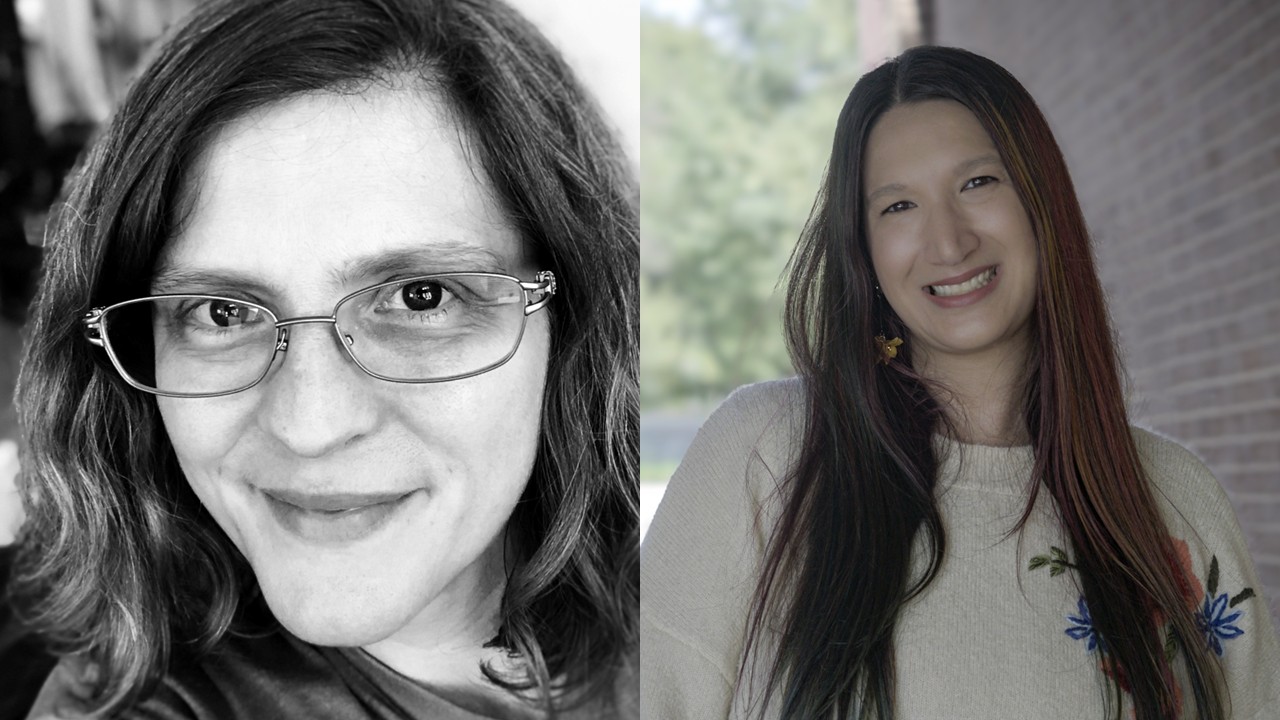 Fostering Curiosity and Busting Boredom in 2e Learners
- Maria Selke, M.A.Ed., and Ati Lorenzini Wongsaroj
- Curiosity is an amazing human drive, and it's especially powerful for gifted and 2e learners. Sometimes we, as educators and parents, need to guide these learners and help them harness and refine that natural urge. So what, exactly, is curiosity? Are there ways to encourage it that don't result in them following you around asking questions all day? What is social curiosity, and how can it help us build stronger, healthier relationships? Come join us for information and conversation about CURIOSITY!
Fostering Flexible Minds: Building Cognitive Agility in Gifted Learners
- Dr. Kristie Speirs Neumeister
- In today's fast-paced and ever-changing world, cognitive flexibility has become an essential skill. Some gifted learners, however, may struggle with cognitive rigidity fueled by their emotional intensity, strong convictions, history of being "right," and a preference for black-and-white thinking. Although these traits are strengths in some contexts, they may inhibit a gifted student's adaptability when faced with new challenges or shifting expectations. This session will introduce educators to engaging strategies that will cultivate cognitive flexibility within gifted learners, helping them embrace uncertainty, consider multiple perspectives, and approach complex problems with resilience, creativity, and confidence.
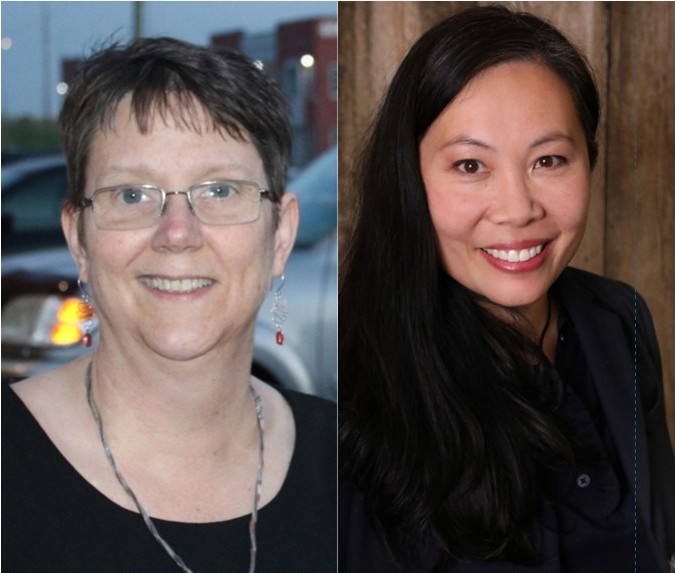 Managing the Multi-Grade Maze: Strategies for Success in Middle School Math
- Ley-Anne Folks M.Ed., and Heather Lai
- Teaching multiple grade levels in a single math block is a complex pedagogical puzzle that requires moving away from the "broadcast" model of teaching. This presentation explores how to transform a multi-grade classroom from a logistical challenge into a high-functioning ecosystem of self-directed learning. By leveraging flexible grouping, station rotations, and curriculum stacking, teachers can ensure every student—from those needing remediation to those ready for high school algebra—receives targeted, rigorous instruction.
Breakout Session 4: 3:45 - 4:45 p.m.
 Gifted Minds, Balanced Lives: A Guide to Gifted Well Being
- David Warrenfeltz
- This presentation empowers educators and parents to support gifted learners in achieving emotional, social, and academic balance. It explores the whole child—beyond IQ—addressing perfectionism, anxiety, and asynchronous development. Participants learn strategies to foster resilience, self-regulation, and authentic connection, creating environments where gifted minds can truly thrive.
The Dual-Edged Sword: Leveraging Assistive Technology (AT) for Acceleration and Accessibility in Gifted and 2e Education
- Ley-Anne Folks M.Ed., and Heather Lai
- In the gifted classroom, technology often serves a dual purpose: it acts as a ramp for twice-exceptional (2e) students to bypass learning barriers and as a rocket for all gifted learners to accelerate toward advanced production. This presentation shifts the narrative of "Assistive Technology" from a remedial framework to one of Precision Empowerment. We will explore how modern digital tools can mitigate the "bottlenecks" of high-potential students, such as asynchronous development and executive dysfunction, allowing intellectual output.
Don't Get Stuck in Crisis Mode: 2e Advocacy, Navigating Hard News, and Making Hard Decisions
- Megan Cannella
- Commitment to justice, black and white thinking, and other gifted/twice-exceptional (2e) characteristics inform the ways we understand and process hard news. When policies or resources change and certain advocacy options aren't accessible, it's hard to know how to move forward. Let's explore how to discuss hard news through a gifted/2e lens and how to find a way to next steps.
Thrice Exceptional: 2e and Culturally and Linguistically Diverse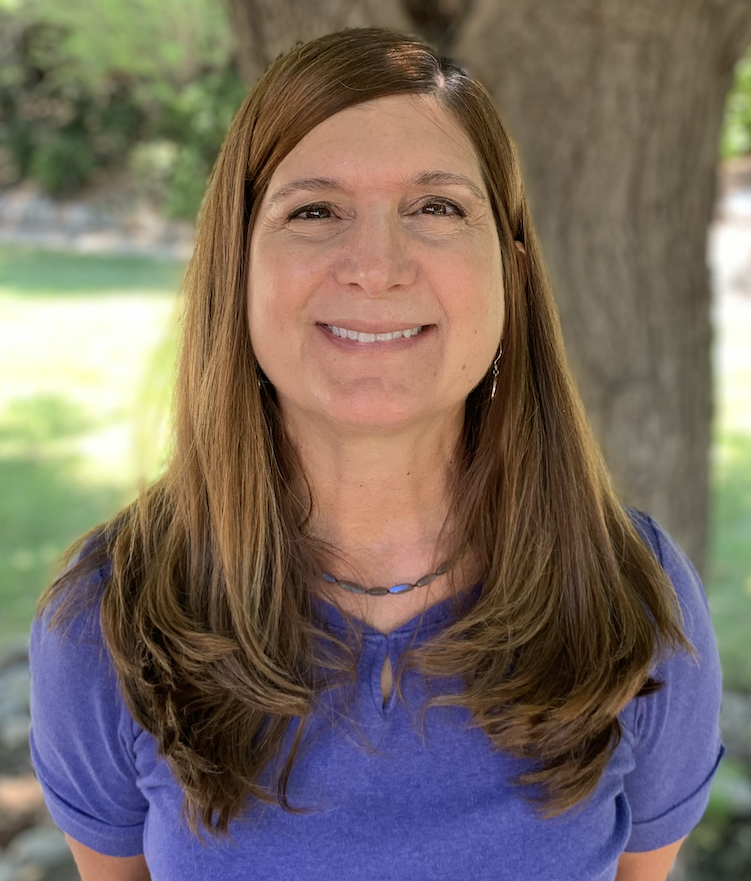
- Dr. Cynthia Geary
- This presentation discusses the combined exceptionalities of students who are gifted, learning disabled and culturally and linguistically diverse. Each exceptionality requires academic and behavioral accommodations to support the student. First, the definitions of the three exceptionalities will be reviewed. Then, issues of identification and masking of exceptionalities will be discussed. Next, effective instructional strategies will be presented. Finally, attendees will exchange ideas on strategy implementation.