
The Optimist Project
"The best aspect of The Optimist Project was learning about history in a way that I have never been taught. I found it interesting. Also, I enjoyed the motivational aspect to the program. I have learned about the topics, but have never gone in depth like I did in this program."
- Optimist Project Scholar
The Optimist Project
Developed with support from the Jack Kent Cooke Foundation, The Optimist Project is a two-week residential program for high-ability, low-income students designed to build students’ leadership capacity and positive future orientation by exploring the history and modern challenges of intergroup relations. The Optimist Project curriculum addresses three interrelated topics:
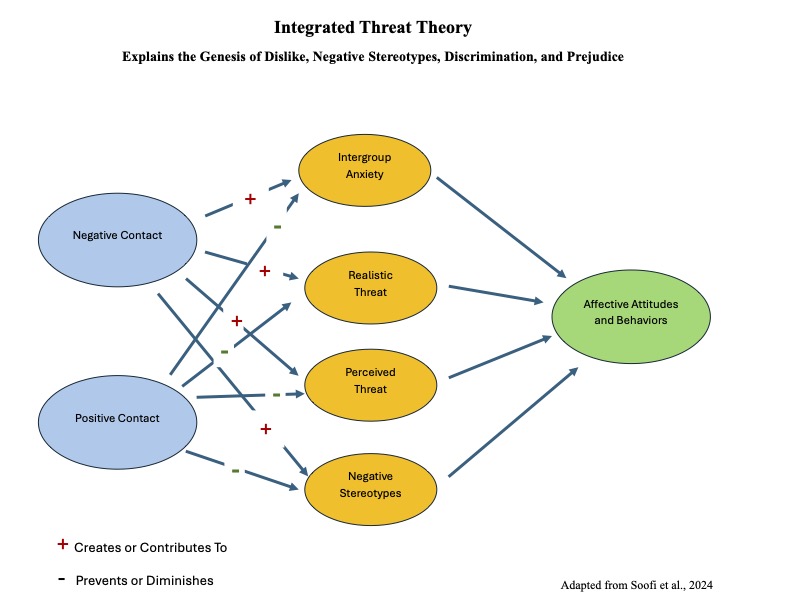
- Integrative Threat Theory: A Model to Analyze Intergroup Conflict in U.S. History
- Developing the Leader in You: Leadership Capacity Building
- Appreciative Inquiry: A Strengths-Based Approach to Bringing about Change
In The Optimist Project Curriculum, history blends with experiential learning, analytical thinking, and proactive solution-finding. Lessons help students (1) understand the roles played by historic and contemporary leaders, (2) recognize their own leadership capacity, and (3) identify ways to change their communities. Evaluation data (The Optimist Project Experience) provides evidence that students find combinations both effective and enjoyable.
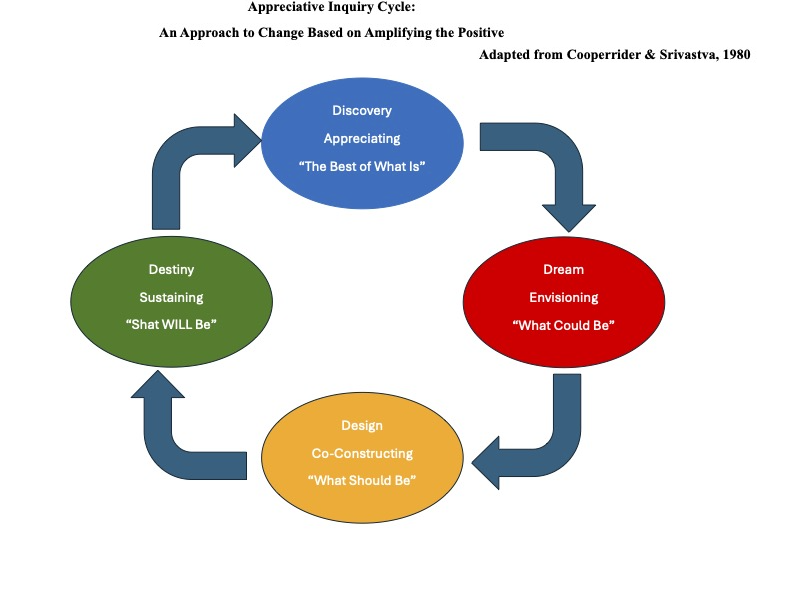 The first day’s lesson on Integrated Threat Theory and Appreciative Inquiry laid the foundation for a multifaceted interpretation of history. By frequently referencing the components of these analytic and problem-solving frameworks in the following days, students were able to envision positive solutions to the modern challenges that concerned them.
Students explored Colonial Williamsburg, Jamestown, and Yorktown. The lessons introduced students to Native American, European, and African populations in the Williamsburg area during the 17th and 18th centuries, fostering connections to current events and encouraging them to think about their roles in today’s world.
 Leadership was the focus of six hours of lessons, including lectures and activities. In one lesson, students brainstormed qualities of a leader and then linked those qualities to topics in their history lessons, such as Nathaniel Bacon of Bacon’s Rebellion. The history lessons also included information about different leadership styles and behaviors. Towards the end of the two weeks, students selected a contemporary issue to analyze by applying the same tools they used to interpret history. They created solution positive, forward-thinking solution frameworks for the issues, building both a sense of social responsibility and personal agency.
Registration for this program is managed by the Jack Kent Cooke Foundation. All applications and enrollment questions should be directed through them.