
28th Annual SURN Leadership Conference Challenges Leaders to Imagine the Possibilities for Education
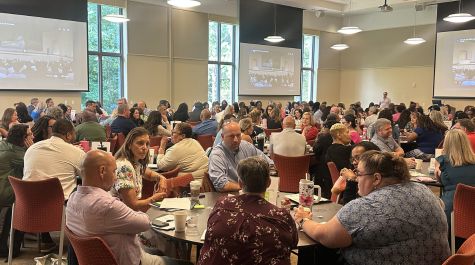
On June 15-16, 2026, the School-University Resource Network (SURN) held its annual two-day leadership conference with the theme “Learning Leaders IMAGINE.” Designed by leaders for leaders, the conference encouraged attendees to look beyond organizational boundaries and visualize education from a different perspective.
The event brought together hundreds of leaders from across the Commonwealth to challenge their own preconceptions and experience the participatory nature of leadership.
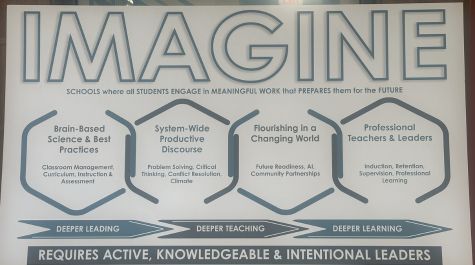
“This invitation to consider new possibilities for schools and divisions is grounded in our theory of action: If we expect deeper learning from students, we must have deeper teaching in our classrooms, and this requires deeper leading in our schools. Our leaders must be active, knowledgeable and intentional,” said SURN Executive Director Amy Colley M.A.Ed. ’90, M.Ed. ’01, Ed.D. ’14.
Over the two days, SURN hosted teams of participants and presenters from 31 Virginia school divisions, one regional education center, one day school, two universities, the Governor’s Office, and the Virginia Department of Education. The conference featured four keynote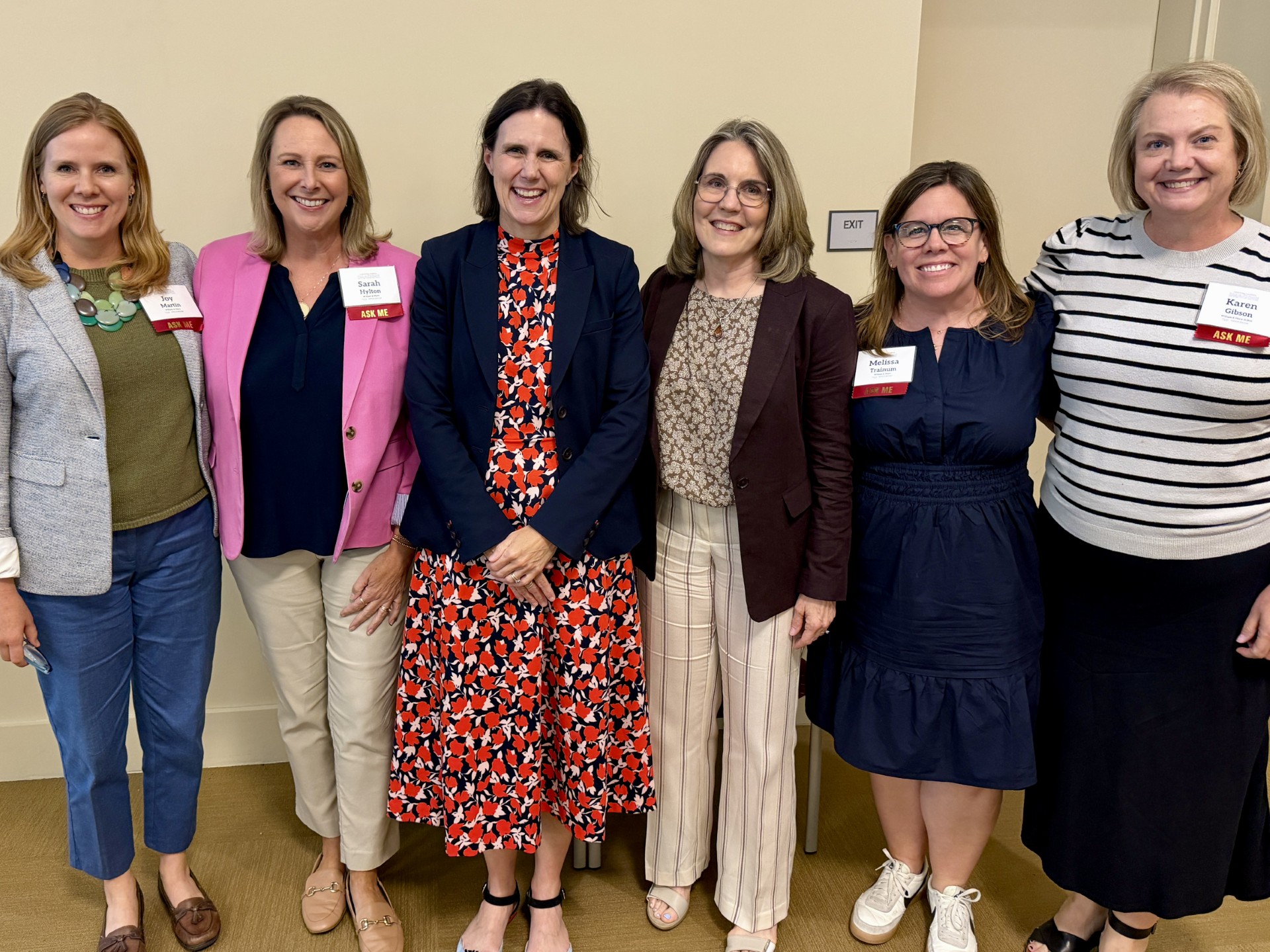 speakers, numerous breakout sessions and closing remarks from Virginia Superintendent of Public Instruction Jenna Conway. Each presentation aligned with one of four conference themes: brain-based science best practices, system-wide productive discourse, flourishing in a changing world, and professional teachers and leaders. Many sessions also explored AI implementation and its impact on educational leadership.
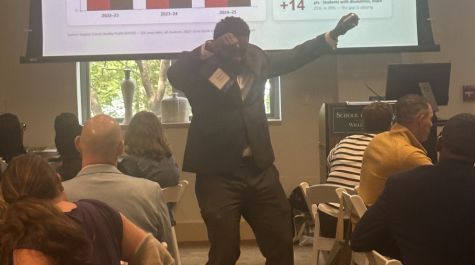
The conference opened with keynote speaker Horacio Sanchez, author of the best-selling book “The Education Revolution.” His interactive presentation, “Promoting Student Success,” challenged participants to think differently about supporting students by recognizing the brain-based biological factors that influence how they show up each day and by identifying new ways to help them succeed academically and personally.
“A great presentation!” said one of the leaders who attended. “I’m grateful for the opportunity to be in the room and looking forward to the impact this work will have on my school division.”
The second keynote, “The Active Learning Revolution” by author Daniel Biegun, encourages educational leaders to move beyond passive teaching models and embrace student-centered, active instruction. The high-energy, interactive session focused on whole-group opportunities to respond that boost engagement, increase learning and reduce off-task behaviors.
The second day opened with Phil Wagner, clinical associate professor in organizational behavior at the William & Mary Raymond A. Mason School of Business, and Emily Gerst, W&M director of conflict resolution & education. Their presentation, “(Don’t) Pick Up Your Sword: How to Engage in Productive Conflict,” focused on developing interpersonal communication skills and fostering healthy workplace interactions. Using humor and real-world examples, they demonstrated how reframing conflict can shift perspectives for individuals, teams and organizations.
Adam Garry, co-author of “Teaching the iGeneration and Personalized Learning Through Voice and Choice,” presented “The Future of AI in K-12 Education: Opportunities, Challenges, and What School Leaders Need to Know.” Garry examined AI’s impact on K-12 education and offered guidance to help educators navigate its opportunities and challenges with students’ best interests in mind.
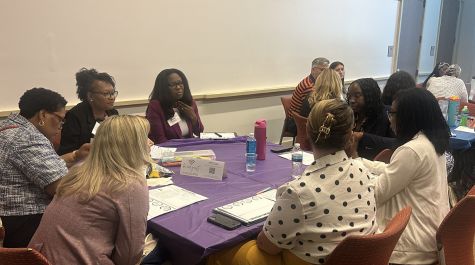
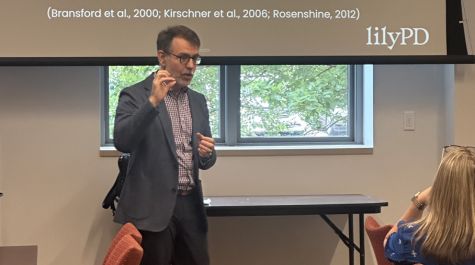
Between keynote sessions, attendees participated in concurrent presentations and workshops, including several led by School of Education faculty. Professor Chris Gareis, Director of Professional Learning for the Center for Gifted Education Ashley Carpenter, Executive Director of Strategic Cultural Partnerships Mark Hofer, and Director of Executive Programs and Chair of the Educational Policy, Planning & Leadership Department Peggie Constantino each shared their expertise.
Throughout the event, attendees participated in engaging sessions that challenged them to imagine new possibilities, embrace innovative ideas, and leave with strategies they could implement in the coming school year.
 “There was a mix of very practical, immediately applicable information, as well as information that prompted me to reflect and think deeper about my practice,” commented one participant.
The conference concluded with remarks from Virginia State Superintendent of Public Instruction Jenna Conway, who shared perspectives gathered during the recently completed Commonwealth Listening Tour. Emphasizing the “human endeavor of teaching,” Conway said she heard a clear message from educators about the need to remain consistent with what works for students.
Noting that “our core business is teaching and learning,” she affirmed her commitment to that goal and outlined next steps, including elevating the voices of local educators and leaders, refining Virginia's accountability systems through stakeholder feedback, and partnering with school divisions to provide wraparound student supports.
“How amazing to hear from our State Superintendent!” said one of the educators in attendance.
Another summed up the entire event: “The 2026 SURN Leadership Conference was valuable because it provided innovative leadership strategies, practical solutions for school improvement, and meaningful collaboration opportunities that I can apply to strengthen school culture, support staff, and improve student outcomes.”