
The Optimist Project Curriculum
Overview
The two-week intensive trek through history in Williamsburg and related historic sites allows students to investigate a variety of groups as they came together across history in the region. Students explore historic encounters through the lens of Integrated Threat Theory and develop their leadership skills through Appreciative Inquiry, youth activism, and leadership frameworks. The culmination of the program is a student-developed project in which students use newfound knowledge and skills to address integrated threats and promote positive futures.
 Alignment of The Optimist Project Curriculum with the Integrated Curriculum Model
The Optimist Project incorporates the elements of the Integrated Curriculum Model (VanTassel-Baska, J. (2003), which defines three essential areas for curriculum adaptation for advanced learners: (1) grounding learning in advanced content, (2) incorporating concepts, issues or themes, and (3) integrating consistent opportunities for higher level thinking by modifying instructional processes and student products.
The Optimist Project Curriculum and Integrated Curriculum Model Features
| Overarching Concepts and Themes NCSS | Advanced Content | Process-Product |
|---|---|---|
| TIme, Continuity, and Change | Primary Resources | Integrated Threat Theory |
| Individual Development and Identity | Experiential Learning | Appreciative Inquiry Solution Finding |
| Individual, Groups, and Institutions | Inter- and Intra-disciplinary Investigation | Leadership Development |
Overarching Concepts and Themes: Alignment to Nationally Acknowledged Social Studies
The Optimist Project Curriculum incorporates three of the of the 10 themes identified by the National Council for the Social Studies (www.socialstudies.org), as significant organizers of historical content:
- Time, Continuity, and Change: Through the study of the past and its legacy, learners examine the institutions, values, and beliefs of people in the past, acquire skills in historical inquiry and interpretation, and gain an understanding of how important historical events and developments have shaped the modern world.
- Individual Development and Identity: Personal identity is shaped by family, peers, culture, and institutional influences. Through this theme, students examine the factors that influence an individual’s personal identity, development, and actions.
- Individuals, Groups, and Institutions: Institutions such as families and civic, educational, governmental, and religious organizations, exert a major influence on people’s lives. This theme allows students to understand how institutions are formed, maintained, and changed, and to examine their influence (NCSS, 2010).
 Advanced Content
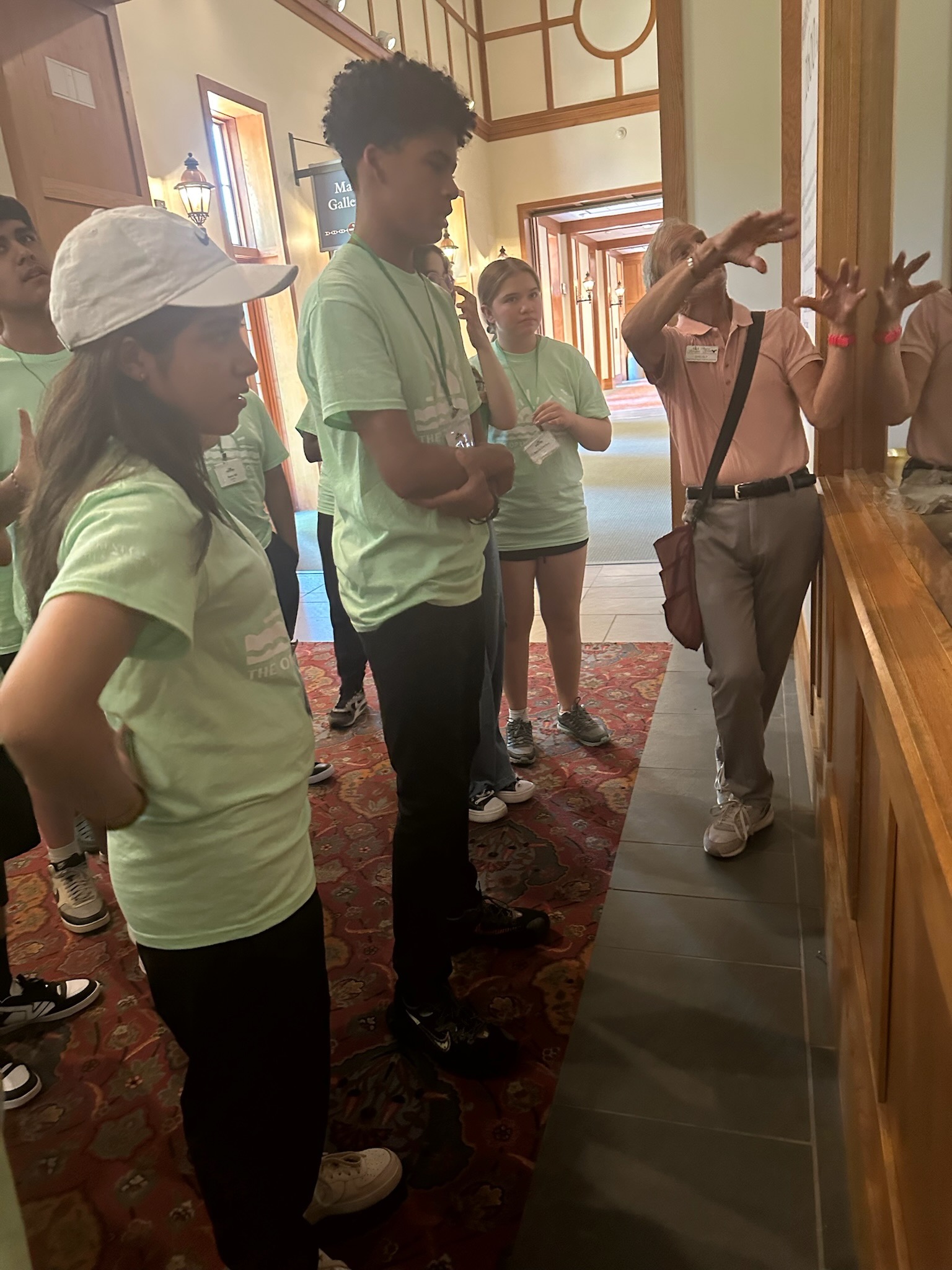
The world is the primary resource students explore in The Optimist Project. Students explore the places where history happened, and learn to appreciate the dynamic interaction between people, places, and events. Learning history at historic sites also helps give students a sense of the humanity embedded in history. In the classroom, students have access to primary resource documents that created threads of thought that continue to weave through today’s social climate. They also read advanced academic articles by historians who apply the same frameworks they are using, providing a form of modeling of expert thinking.
Process and Product
Students use interpretive frameworks creating by leading scholars, giving them the tools for expert-like analysis of historic events. The Integrated Threat Theory presents many opportunities for perspective taking; for example, looking at colonization from the point of view of settlers, Indigenous People, and African American slaves. The Appreciative Inquiry model encourages students to adopt positive mindsets when creating problem solutions, leading with questions like “What should we enhance in this situation?” instead of “What do we need to correct?”